1515_1793072391_WNo_1600d900.webp)
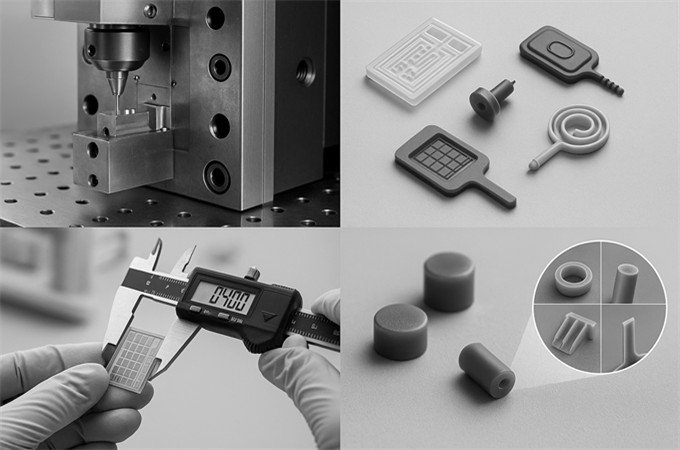
Are you looking for reliable Medical Device Component Manufacturers for surgical instruments, diagnostic equipment, medical tubing, or precision plastic parts? Do you need a manufacturing partner with consistent quality controls, material expertise, and custom production capabilities? Are you comparing suppliers for prototyping, machining, molding, assembly, or long-term OEM production?
If the answer is yes, then selecting a medical device component manufacturer requires more than comparing unit prices. Buyers should evaluate manufacturing processes, material compatibility, quality management systems, traceability, validation documentation, production capacity, and delivery requirements. This guide compares 10 manufacturers with relevant medical component capabilities to help OEMs and sourcing teams identify potential suppliers for their projects.
Quick Navigation
- Trademark Plastics, Inc. (TPI)
- WHK BioSystems
- Greene Group Industries
- Hanson & Zollinger, Inc.
- Advanced Medical Components (AMC)
- Dynomax Inc.
- AMFT
- Amphenol Critical Medical Technologies
- Cheetah Precision
- Trinity Precision Solutions
- Key Factors That Affect Medical Component Costs
- Frequently Asked Questions
- How to Choose the Best Medical Device Component Manufacturer
1. Trademark Plastics, Inc. (TPI)
Website: https://www.trademarkplastics.com/
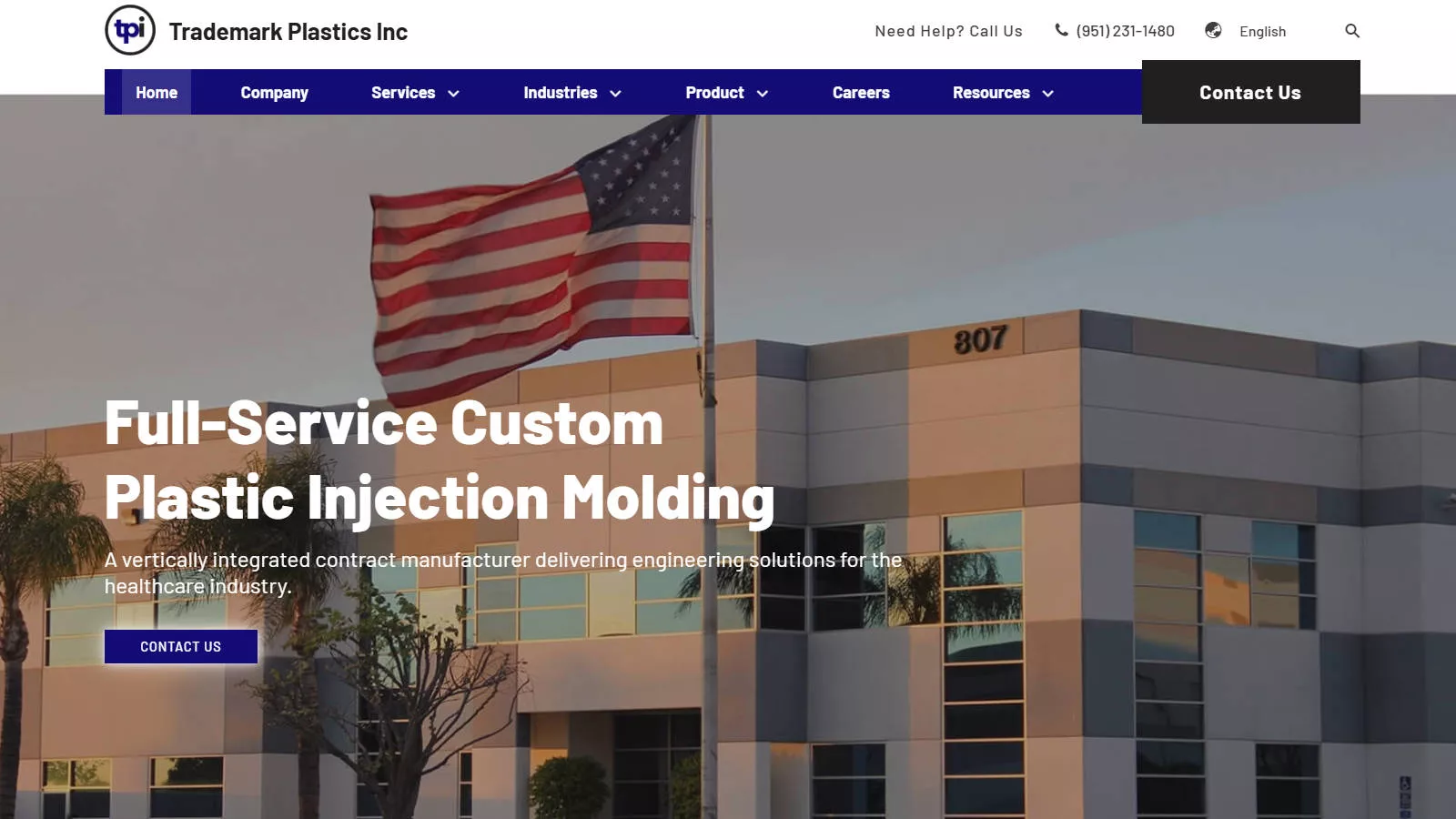
Headquarters / Supply Model: Riverside, California, USA; contract manufacturer specializing in custom plastic injection molding for medical devices, life sciences, and diagnostic applications.
Core Products / Technologies: Custom molded medical plastic components, mold design and tooling, process validation, assembly, kitting, packaging, and related manufacturing support.
Why Consider TPI: Trademark Plastics, Inc. focuses on custom plastic components rather than only finished medical devices. Its published product examples include plungers, enclosures, handles, caps, housings, and syringe-related parts. The company also describes cleanroom manufacturing, in-house tooling, and process documentation capabilities. These services make TPI a potential partner for OEMs seeking coordinated support from tooling development through molding and downstream operations.
Best Suited For: Medical device OEMs, diagnostic product developers, and life-science companies that need custom injection-molded plastic parts and related manufacturing services.
Before Purchasing: Provide engineering drawings, resin requirements, dimensional tolerances, expected annual volume, and any cleanroom or documentation requirements. Confirm the applicable quality-system scope, validation plan, traceability arrangements, tooling ownership, and production schedule for your specific project.
2. WHK BioSystems
Website: https://whkbiosystems.com/services/contract-manufacturing/
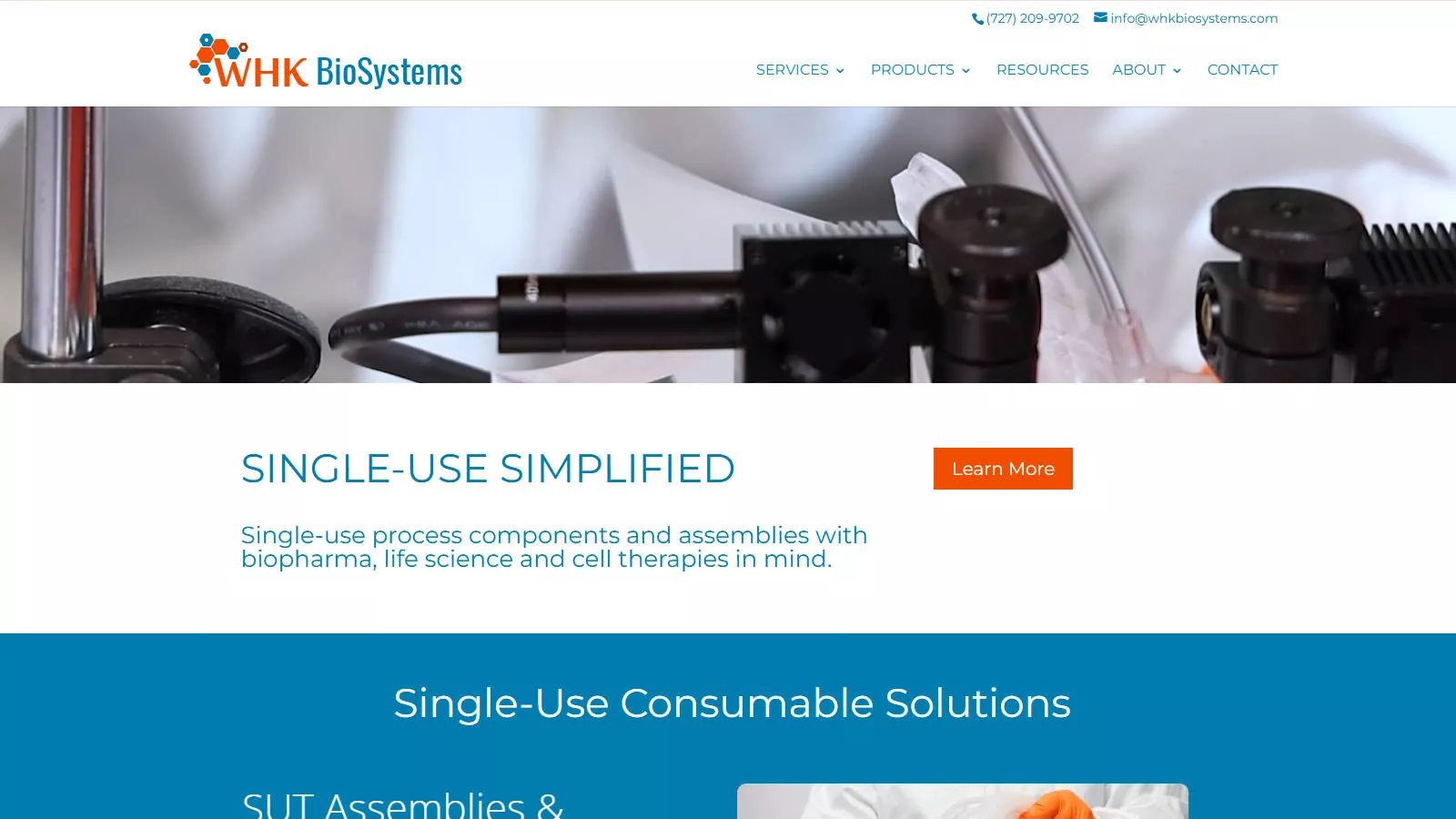
Headquarters / Supply Model: Clearwater, Florida, USA; contract manufacturer serving medical, life-science, and biopharmaceutical applications.
Core Products / Technologies: Injection-molded and overmolded components, medical tubing, single-use assemblies, device assembly, RF welding, laser processing, machining, and prototyping.
Why Consider WHK BioSystems: WHK offers several manufacturing processes for customers sourcing plastic components and assemblies for medical or biopharmaceutical systems. Its published capabilities include Class 7 cleanroom manufacturing and an ISO 13485:2016-registered quality management system. The company also describes in-house tooling and design support, which may help OEMs coordinate development and production with one supplier.
Best Suited For: Medical and life-science OEMs seeking molded components, medical tubing, or integrated single-use assemblies that require coordinated fabrication and assembly services.
Before Purchasing: Confirm material compatibility, cleanroom requirements, process-validation deliverables, packaging specifications, and documentation. Verify that the proposed facility and manufacturing process meet the requirements of your specific product.
3. Greene Group Industries
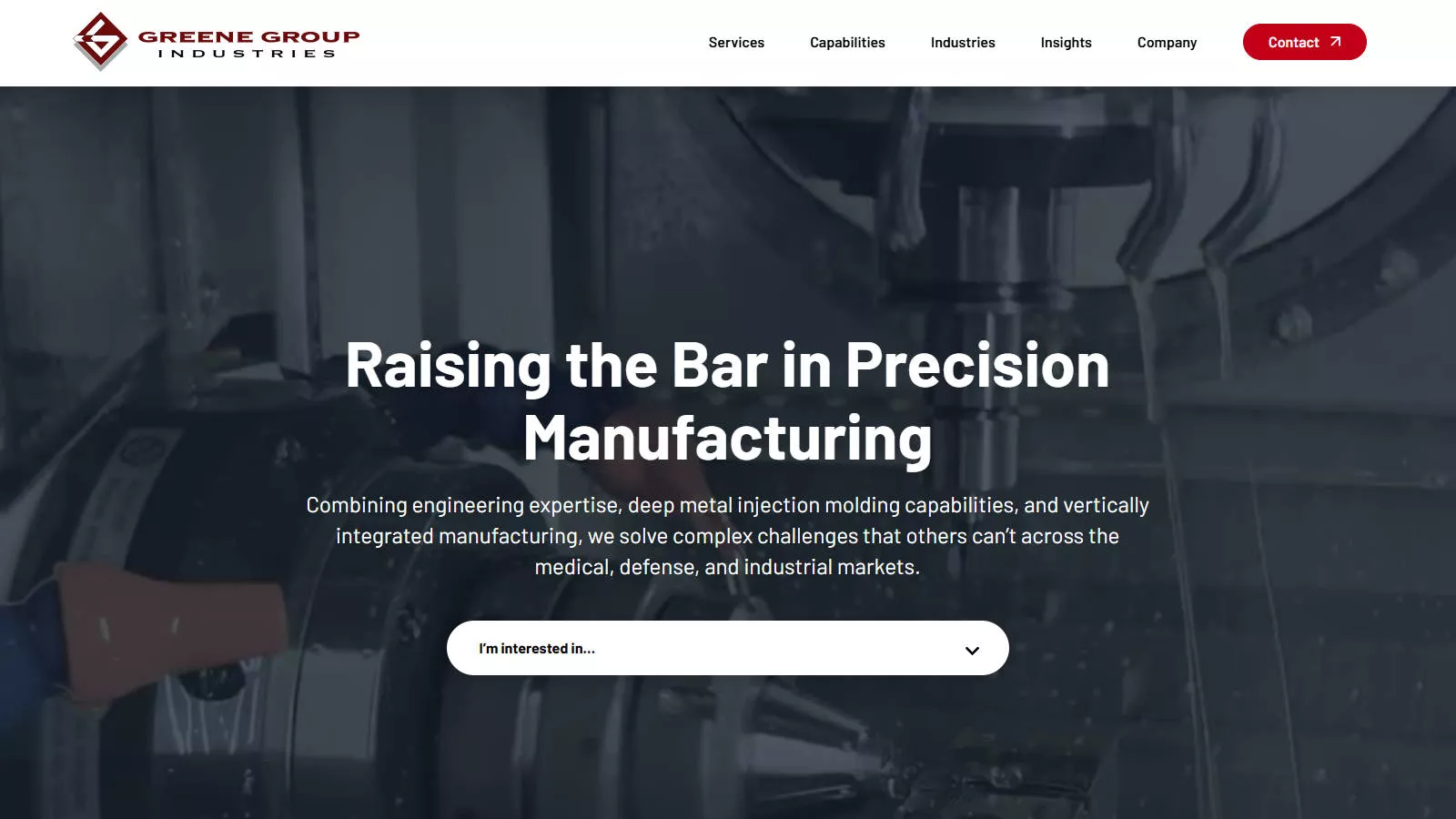
Website: https://www.greenegroup.com/industries/medical-device/
Headquarters / Supply Model: U.S.-based contract manufacturer with manufacturing operations in California and Michigan.
Core Products / Technologies: Metal and ceramic injection molding, precision CNC machining, metal stamping, plastic overmolding, metal 3D printing, tooling, and automated assembly.
Why Consider Greene Group Industries: Greene Group supports medical and dental OEMs with components requiring specialized manufacturing processes. Its medical-device capabilities cover parts for surgical equipment, diagnostic and test equipment, drug-delivery devices, and other medical applications. Its combination of metal forming, machining, molding, and assembly may be useful for projects involving complex geometries or multiple production steps.
Best Suited For: OEMs seeking precision metal or ceramic components, overmolded parts, or a manufacturing partner that can coordinate several processes.
Before Purchasing: Discuss component function, material grade, geometry, surface finish, critical dimensions, and expected production volumes. Confirm the process-specific quality requirements and whether the proposed manufacturing method is suitable for the intended application.
4. Hanson & Zollinger, Inc.
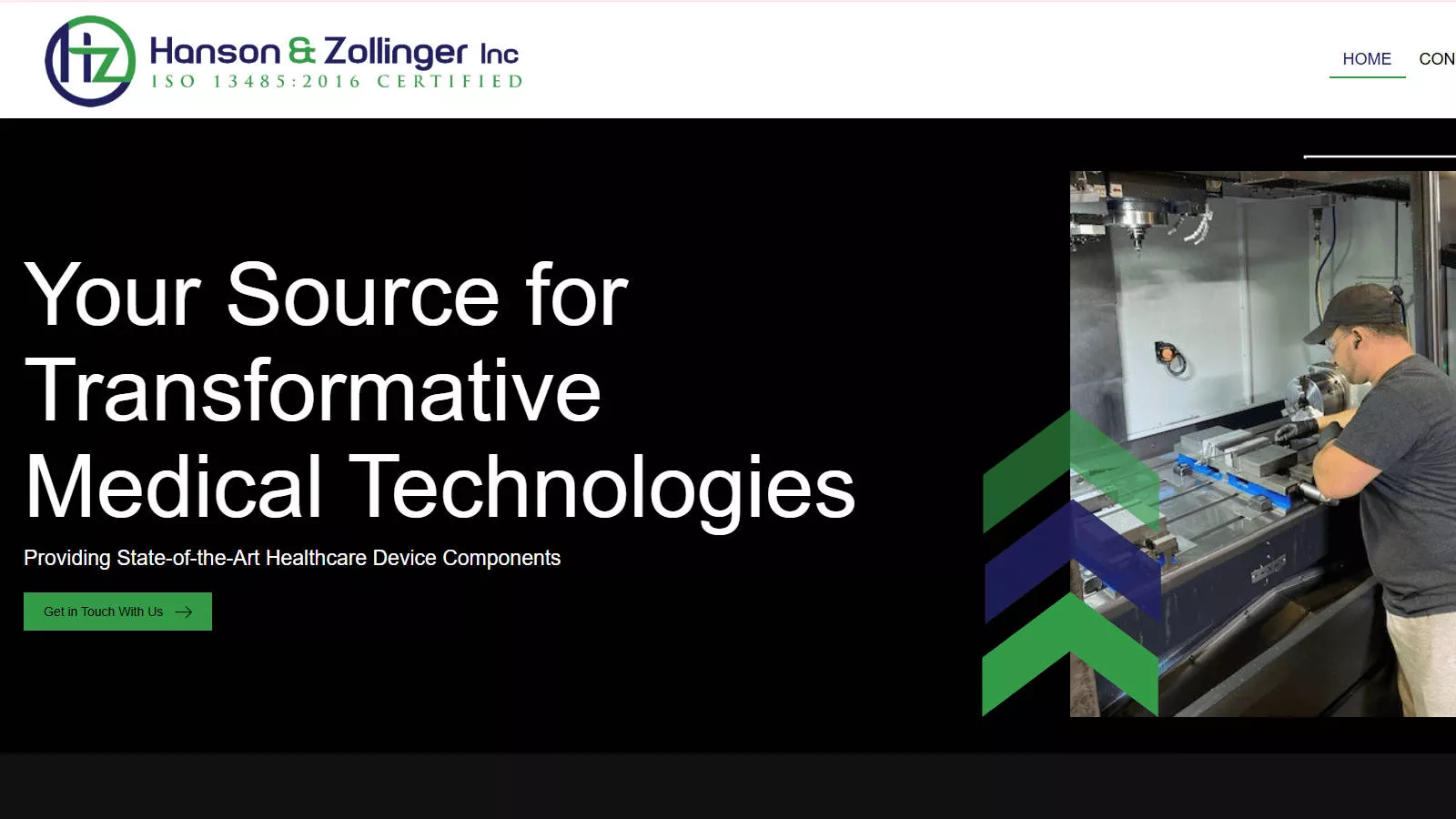
Website: https://hansonandzollinger.com/
Headquarters / Supply Model: Berlin, New Jersey, USA; medical device design and contract manufacturing company.
Core Products / Technologies: Medical component design and prototyping, CNC machining, assembly, testing, inspection, packaging, and plastic tube extrusion.
Why Consider Hanson & Zollinger: The company describes support across multiple stages of medical device development, from concept and prototype work through manufacturing, testing, and assembly. Its combination of design services and production capabilities may benefit buyers who need engineering coordination as well as component fabrication.
Best Suited For: Medical device developers and OEMs seeking a U.S.-based partner for custom components, prototype development, and contract manufacturing support.
Before Purchasing: Confirm which processes are performed in-house, which inspection and test reports are available, and how design changes are controlled. For regulated products, clarify documentation, traceability, and validation deliverables before production begins.
5. Advanced Medical Components (AMC)
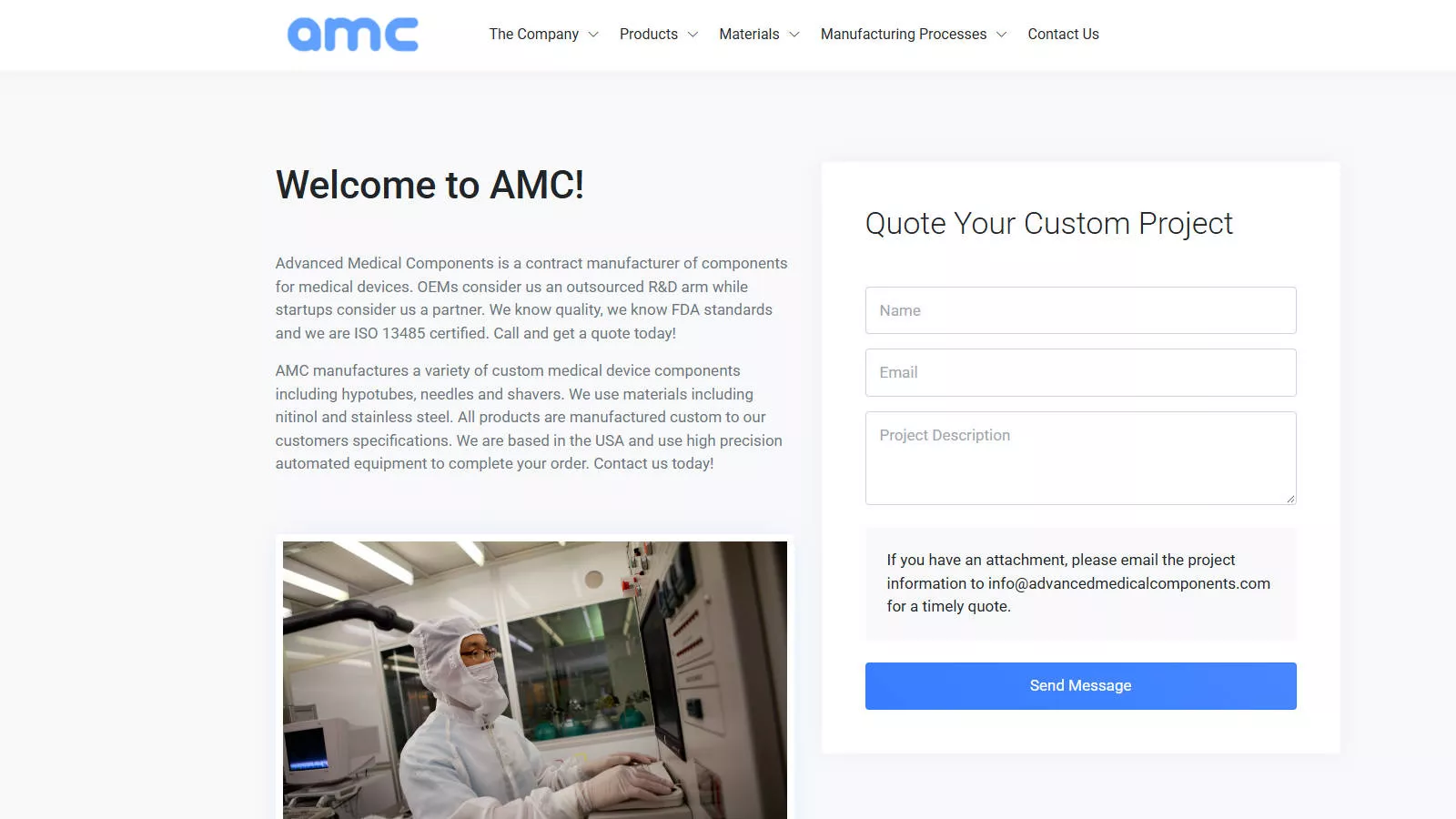
Website: https://www.advancedmedicalcomponents.com/
Headquarters / Supply Model: U.S.-based contract manufacturer serving medical device OEMs and product developers.
Core Products / Technologies: Custom hypotubes, needles, shavers, and other precision medical device components manufactured to customer specifications, including parts made from nitinol and stainless steel.
Why Consider AMC: AMC focuses on custom components and precision manufacturing for medical device applications. Its stated product range makes it a potential fit for projects involving small metal parts and specialized geometries rather than general-purpose plastic molding.
Best Suited For: Medical device engineers and OEMs developing instruments or devices that require custom hypotubes, needles, shavers, or related precision components.
Before Purchasing: Submit engineering drawings, material specifications, critical dimensions, surface-finish requirements, and expected quantities. Confirm available manufacturing processes, inspection methods, documentation, and the quality-system requirements applicable to your part.
6. Dynomax Inc.
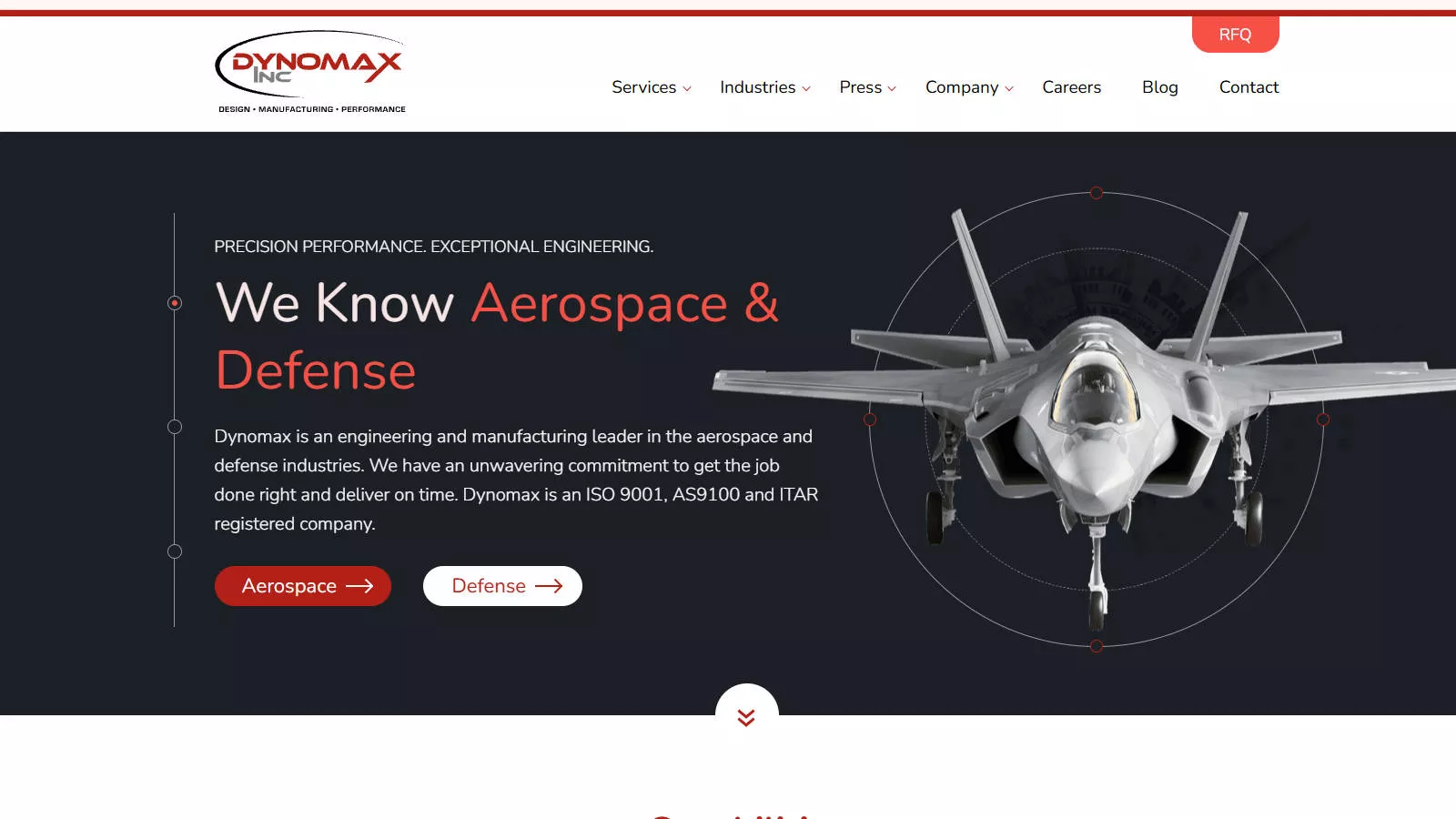
Website: https://www.dynomaxinc.com/medical
Headquarters / Supply Model: Wheeling, Illinois, USA; precision manufacturing supplier serving medical and other technical industries.
Core Products / Technologies: Precision-machined components, injection molding, micro-molding, insert molding, tooling design and manufacturing, engineering consulting, and component assembly, subject to project-specific capabilities.
Why Consider Dynomax: Dynomax provides precision manufacturing services that may support medical component projects from engineering consultation through production. Its combination of machining, molding, tooling, and assembly capabilities may help OEMs coordinate several manufacturing requirements with one supplier.
Best Suited For: Medical device OEMs evaluating suppliers for precision-machined parts, molded components, custom tooling, or component assemblies.
Before Purchasing: Confirm current quality certifications and their scope, material and biocompatibility requirements, dimensional tolerances, validation documentation, traceability needs, production volume, and inspection criteria for your specific device.
7. AMFT
Website: https://www.amft.com/industries/medical-devices-equipment/
Headquarters / Supply Model: Precision component manufacturer with a multi-location manufacturing network.
Core Products / Technologies: Precision springs, custom metal stampings, wire forms, retaining rings, spring washers, and related formed metal components.
Why Consider AMFT: AMFT's medical-device portfolio focuses on small and precision metal components used in products such as surgical tools, diagnostic systems, drug-delivery devices, monitoring equipment, and medical consumables. Its component specialization may be useful when mechanical performance, repeatability, and accurate forming are important.
Best Suited For: OEMs that need custom springs, stampings, wire forms, or other precision metal parts integrated into medical devices and equipment.
Before Purchasing: Confirm material and temper, dimensional tolerances, force or fatigue requirements where applicable, surface treatment, cleanliness, and inspection criteria. Ask which facility will produce the parts and which certifications and records apply to that site and process.
8. Amphenol Critical Medical Technologies
Website: https://amphenol-cmt.com/
Headquarters / Supply Model: Medical technology component and assembly supplier serving OEM programs across multiple locations.
Core Products / Technologies: Medical cables and connectors, precision stamped and plated components, internal cable harnesses, catheter-related solutions, and medical subassemblies.
Why Consider Amphenol Critical Medical Technologies: The company supports medical applications including electrosurgical equipment, medical imaging, and interventional devices. Its combination of electrical interconnects, cable assemblies, and medical component manufacturing can help OEMs source parts that must function reliably within larger medical systems.
Best Suited For: Medical equipment manufacturers seeking interconnect components, cable assemblies, or selected components and subassemblies for electrosurgical, imaging, and interventional applications.
Before Purchasing: Define electrical and mechanical requirements, connector interfaces, cable routing, sterilization or cleaning exposure, and device-level testing needs. Verify the manufacturing location, product-specific documentation, and quality requirements applicable to the intended device.
9. Cheetah Precision
Website: https://www.cheetahprecision.com/
Headquarters / Supply Model: Precision machining manufacturer serving medical and other technical industries.
Core Products / Technologies: Precision-machined components for biomedical, optical, surgical, electronic, testing, photonics, and X-ray applications.
Why Consider Cheetah Precision: Cheetah Precision describes machining capabilities for medical applications where material selection, dimensional accuracy, and repeatability are important. It may be a suitable candidate for custom machined parts or complex geometries that are not well suited to molding or stamping.
Best Suited For: Medical device OEMs and engineering teams sourcing precision-machined components for instruments, testing equipment, and specialized medical systems.
Before Purchasing: Share part drawings, material requirements, tolerance schemes, surface finish, inspection standards, and expected batch sizes. Confirm the specific equipment and quality controls applicable to your component, and request sample inspection results when appropriate.
10. Trinity Precision Solutions
Website: https://trinityprecisionsolutions.com/
Headquarters / Supply Model: Menomonee Falls, Wisconsin, USA; precision manufacturing company serving medical and other technical industries.
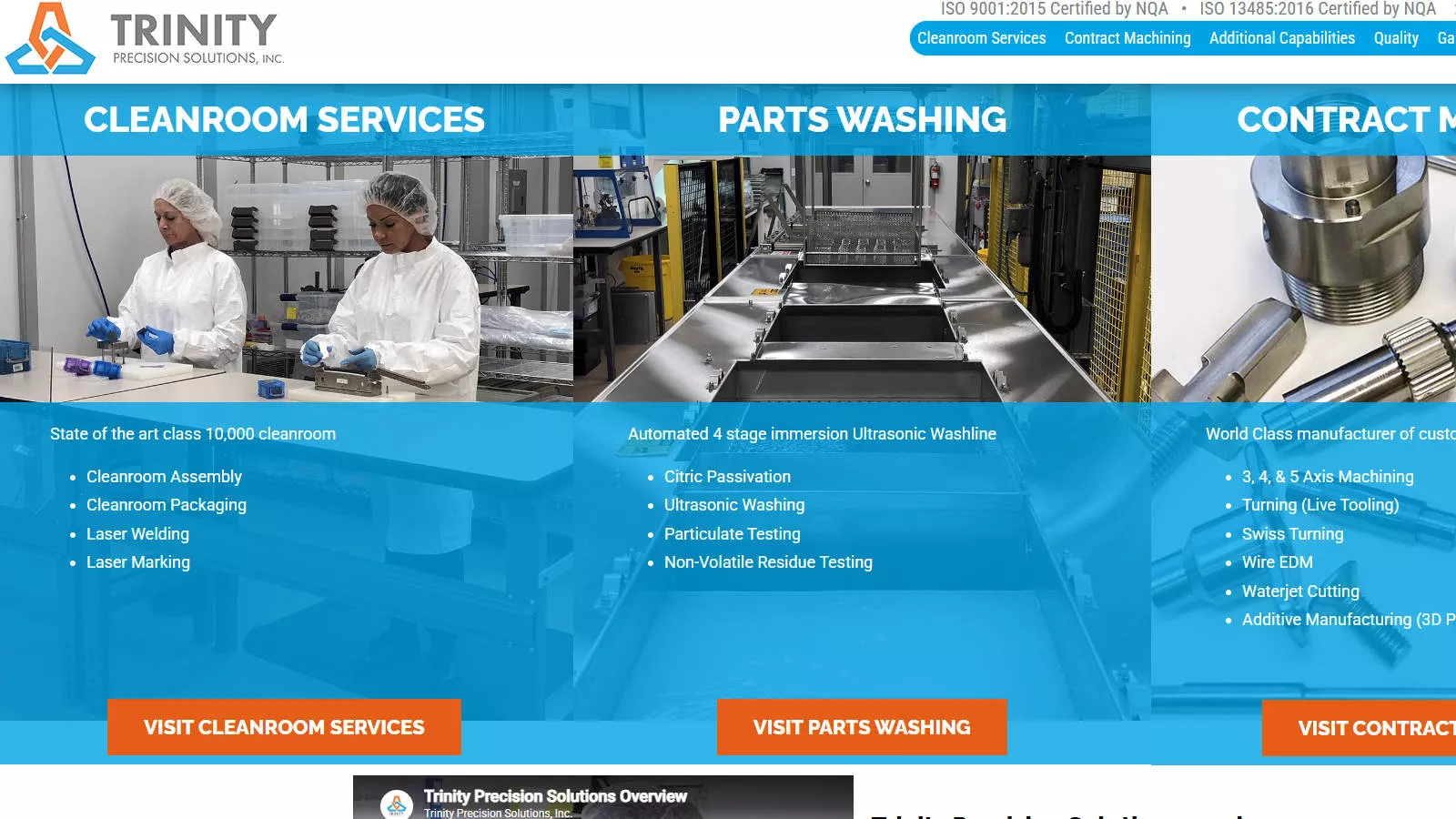
Core Products / Technologies: Precision components and assemblies, CNC machining, cleanroom assembly, engineering support, and quality-controlled manufacturing services.
Why Consider Trinity Precision Solutions: Trinity identifies medical as one of the industries it serves and lists ISO 13485:2016 certification alongside ISO 9001:2015 certification. Its precision manufacturing and cleanroom assembly capabilities may be relevant to programs that need custom components and controlled assembly processes.
Best Suited For: Medical OEMs seeking precision-manufactured components or assemblies and evaluating suppliers with medical-sector quality-system experience.
Before Purchasing: Confirm the specific component processes available, manufacturing and assembly locations, applicable certification scope, inspection documentation, and whether the company can meet the technical and regulatory requirements of your device program.
Key Factors That Affect Medical Component Costs
Medical device component costs depend on materials, design complexity, production volume, quality requirements, and delivery schedules. Consider these factors when comparing suppliers:
- Materials and design: Specialized polymers, stainless steel, tight tolerances, and complex geometries may increase costs.
- Tooling and production: Custom molds, fixtures, prototypes, and process development can add upfront expenses.
- Quality requirements: Validation, traceability, inspection, and cleanroom manufacturing may affect pricing and lead times.
- Order volume: Prototype, small-batch, and high-volume production have different setup costs and unit prices.
- Additional services: Assembly, testing, packaging, and shipping should be included in the total cost comparison.
For accurate quotations, provide suppliers with the same drawings, material specifications, order quantities, and quality requirements.
Frequently Asked Questions
1. What are medical device components?
They are parts used in medical instruments, diagnostic equipment, and healthcare devices, including molded plastics, tubing, metal components, and connectors.
2. How do I choose a manufacturer?
Compare technical capabilities, material expertise, quality systems, production capacity, documentation, lead times, and total costs.
3. Is ISO 13485 important?
It is a medical device quality management system standard. Verify the supplier's current certification, scope, and applicable manufacturing site.
4. What information is needed for a quotation?
Provide drawings, material specifications, tolerances, order quantities, inspection requirements, packaging details, and delivery information.
5. Can manufacturers provide prototypes and assembly?
Some suppliers offer prototyping, component production, and assembly. Confirm which services are available and whether any processes are outsourced.
How to Choose the Best Medical Device Component Manufacturer
The best supplier depends on your component design, materials, production volume, and quality requirements. Compare manufacturing capabilities, documentation, lead times, and total project costs before making a decision.
Trademark Plastics, Inc. (TPI) is worth considering for custom medical plastic injection molding, tooling, and related manufacturing services. Contact the company with your drawings, material requirements, order quantities, and quality specifications to discuss project suitability.