
A Vertically Integrated Contract Manufacturer Providing Engineering Solutions to the Healthcare Industry
Trademark Plastics provides custom plastic injection molding services for medical device, diagnostics, pharmaceutical and other precision OEM programs. Engineering review, injection molding, inspection and validation are coordinated from our Riverside, California facility. Mold manufacturing is supported by TPI’s overseas Mold R&D Center, while the Riverside toolroom handles mold maintenance, repair and modification.
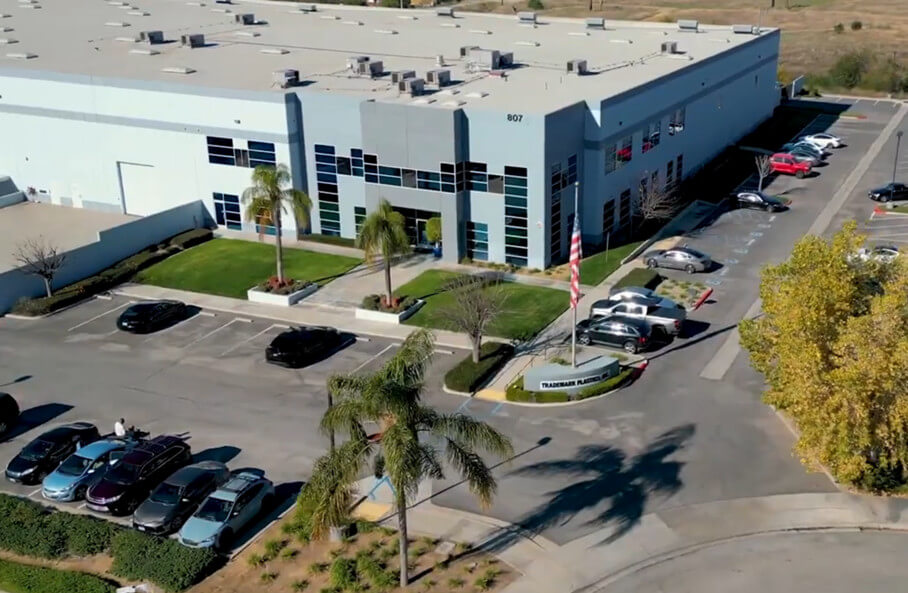
From initial design review to validated production, our custom injection molding services help OEMs manage the technical and manufacturing requirements of custom plastic components.
A molding program accumulates risk at every supplier handoff. The engineers who review your geometry, the group that coordinates mold development and the team that sets press parameters work to the same project plan — the single point of accountability an OEM looks for when comparing contract injection molding partners.
Our custom injection molding services cover tooling coordination, molding, inspection and downstream operations. Share the resin, target annual quantity and documentation obligations at the outset, and the proposal can reflect them.
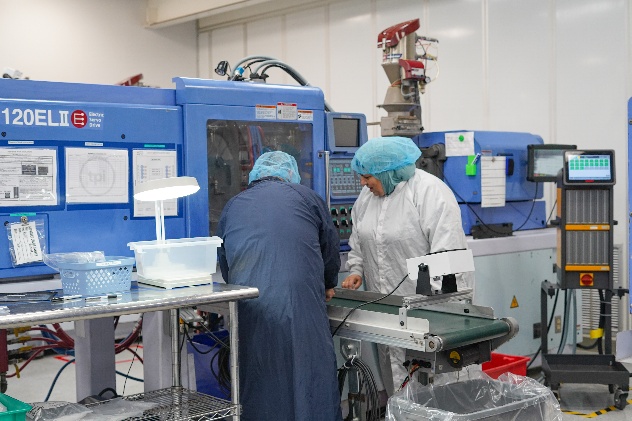
Four disciplines, one project plan. Each answers a question a procurement team asks before releasing a tool.
Each card states a capability range for custom injection molding services. The tooling and quality sections below explain how those responsibilities are handled.
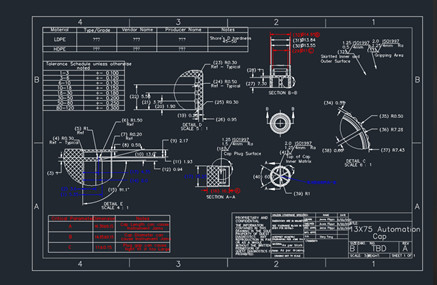 01 / ENGINEERING
DFM analysis, plastic part design support and DOE-based process development happen before a tool is ordered. Processing engineers establish the process window using scientific molding methods.
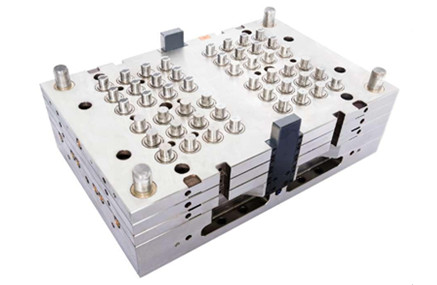 02 / TOOLING
Mold design, tooling coordination and engineering changes, with ongoing maintenance, repair and modification support at our Riverside toolroom.
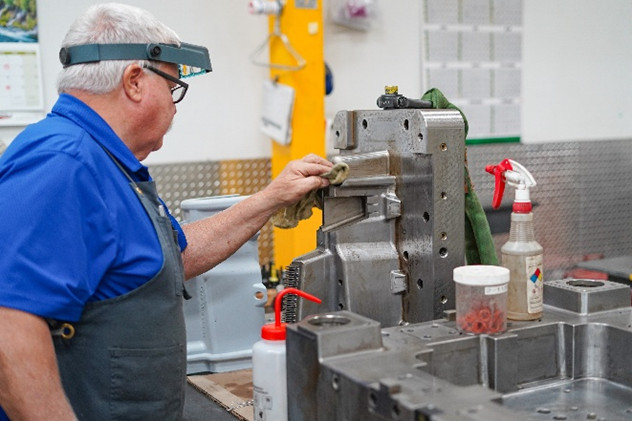 03 / MOLDING
Fifty-one presses from 6 to 610 tons are distributed across cleanroom, white room and controlled production areas. Press assignment follows part geometry, resin and volume.
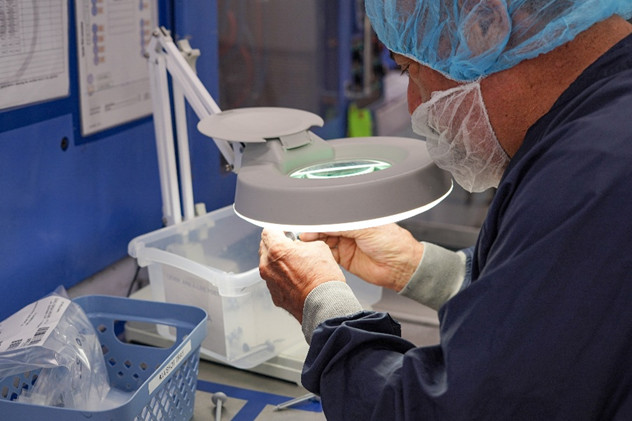 04 / QUALITY
ISO 13485 procedures, IQ/OQ/PQ validation support, CMM dimensional inspection and first article reporting.
For custom injection molding services, equipment range is usually the first filter in a supplier audit. Both tables below describe the actual machine population at our Riverside plant.
| Machine clamping force | Number of machines |
|---|---|
| Below 60 tons | 4 |
| 60–90 tons | 5 |
| 110–120 tons | 6 |
| 150–180 tons | 7 |
| 200 tons | 17 |
| 250 tons | 4 |
| 300 tons | 5 |
| 390–400 tons | 1 |
| 450–610 tons | 2 |
| Total | 51 |
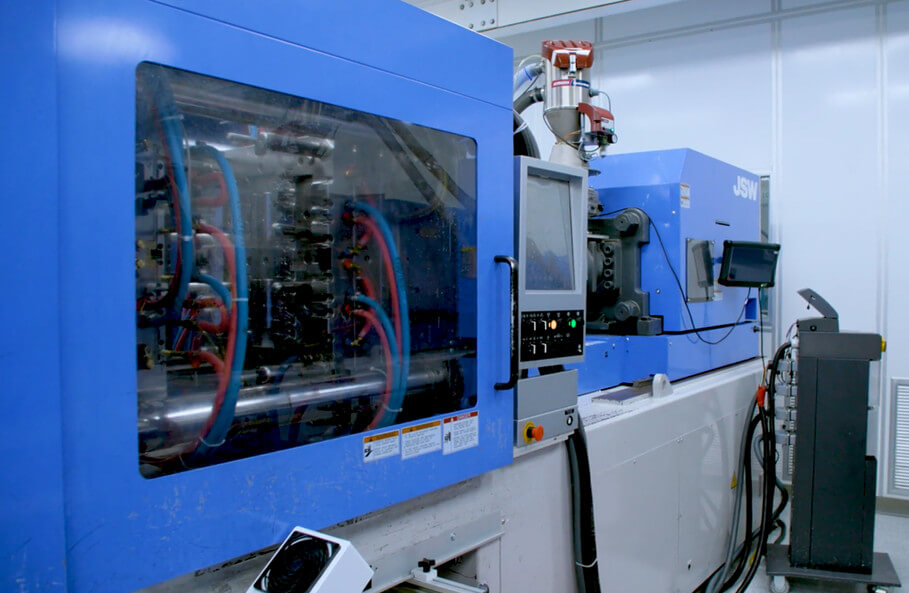
Production areas include two ISO Class 8 cleanrooms, two white rooms and a controlled environment room. Each program is assigned to one of them according to the part’s application and its documented requirements.
| Production area | Machines |
|---|---|
| Class 8 Cleanroom A | 14 |
| Class 8 Cleanroom B | 13 |
| White Room A | 19 |
| White Room B | 3 |
| Controlled Room | 2 |
| Total | 51 |
On large parts: if a component sits near either end of the tonnage range, include its projected area and target resin in your inquiry. That lets us confirm press fit before the tool layout is finalized.
TPI provides custom injection molding services for medical device, diagnostics, pharmaceutical and life science customers, alongside selected precision OEM programs. These applications shape our approach to process documentation, inspection and manufacturing control.

Device housings, precision components and parts destined for regulated assemblies. Traceability and documented inspection are built into the project plan when the application calls for them. See our medical device injection molding work.
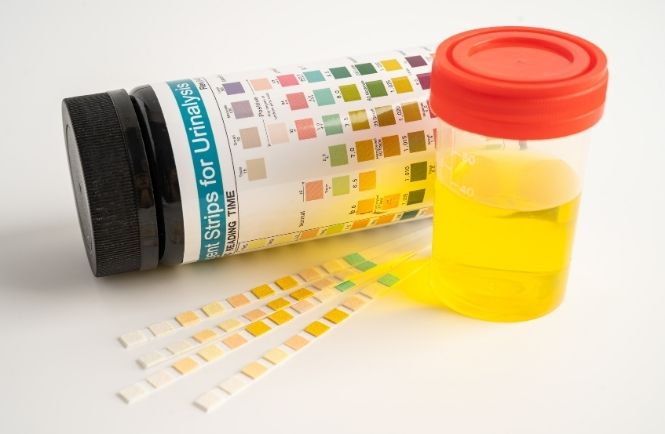
Instrument parts, test cartridges, sample handling components and consumables. Cosmetic requirements and controlled-environment molding are discussed before tooling is released. More on diagnostics and IVD components.

Components for packaging, delivery systems and handling aids. Resin documentation needs should arrive with the model so they can be priced into the scope. See pharmaceutical applications.
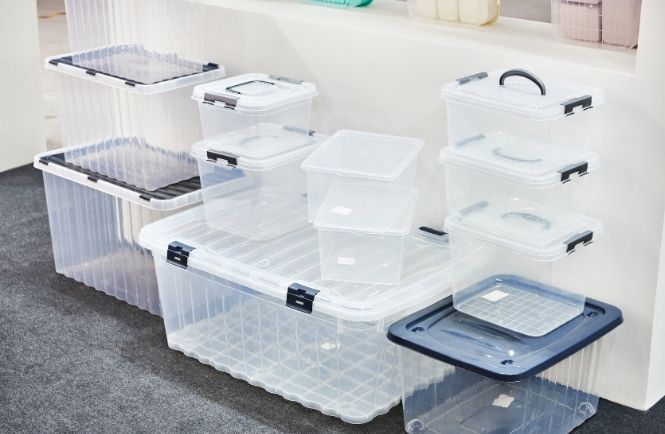
Molded trays, containers and labware for research and clinical workflows. Assembly or kitting can be folded into the same program. Browse laboratory supplies.
In addition to healthcare and life science programs, TPI also supports selected electronics and consumer product manufacturing projects. Contact our engineering team to discuss your application, or review the industries we serve.
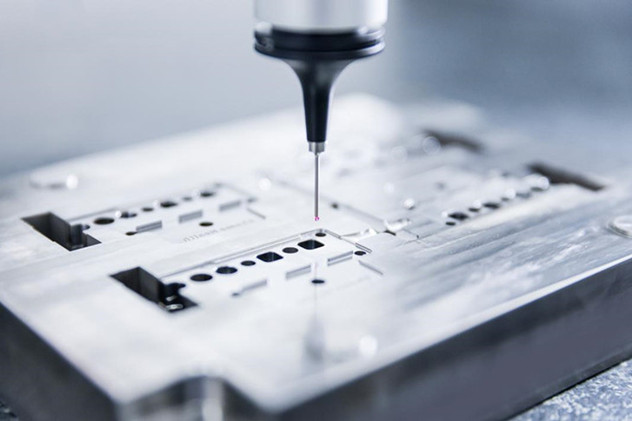
Our engineers review CAD models for manufacturability before tooling begins, covering wall sections, draft, gate location and tolerance risk. Changes that would otherwise become tooling revisions are settled in the model first.
Mold production is supported by TPI’s overseas Mold R&D Center, while the Riverside toolroom handles mold maintenance, repair and modification. TPI coordinates tooling development with the engineering and production requirements of each project. The toolroom is equipped with EDM, CNC vertical machining centers, grinding, lathe and milling equipment.
This section explains tooling’s role inside our custom injection molding services, not the details of mold construction. For geometry, cavitation and lifecycle work, read plastic injection mold design and mold tooling services.
Quality requirements differ by program. The four items below are what procurement teams usually ask to see before approving a supplier for custom injection molding services.
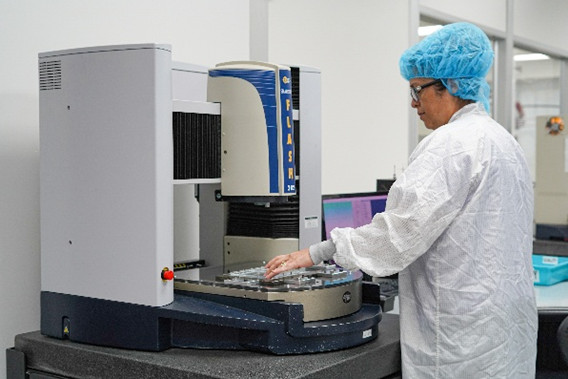
Inspection planning starts at the same time as tool design, rather than after the first article. Documented procedures, defined measurement methods and process controls are applied from engineering through production, with operational data managed in our IQMS system.
A certificate covers the management system we operate, not an automatic property of every shipment. Inspection methods, validation activities and the production environment are written into each project plan; tell us which reports your supplier file requires and we will price that scope. Programs making custom medical components usually raise this at the first meeting.
TPI operates an ISO 13485-certified quality management system. Certification describes that system and its scope; if your qualification file needs the current certificate, request it during the initial review.
The facility contains two ISO Class 8 cleanrooms, two white rooms and a controlled environment room. IQ/OQ/PQ activities are scoped into the project plan rather than treated as a separate engagement, with the required protocol and records agreed before sampling. Which environment a part runs in depends on the application, not on a blanket rule.
CMM measurement, first article reporting and in-process inspection are planned against the drawing’s critical dimensions. Agreeing the measurement method before sampling avoids re-litigating it at production release.
Our custom injection molding services follow six gates from inquiry through production release. Each gate has a defined input and a defined output.
Part geometry, application, resin and expected volume are reviewed to choose a manufacturing route.
Engineers mark up the model for wall stock, draft, gate position and tolerance risk, then agree the changes with your team.
A short sampling run lets your team check form and function before a production tool is ordered. See prototype molding services for that stage.
Production tooling is developed through TPI’s tooling resources and manufacturing partners, then sampled and qualified according to the project requirements. Ongoing mold maintenance and repair are supported by the Riverside toolroom.
Where required, the process window, measurement methods and records are qualified before release.
Production runs under the ISO 13485 system, with assembly and value-added operations available after molding.
Engineering-led quoting: Submit your CAD files and project requirements through the quote form. Our team reviews the information to assess the manufacturing scope and prepare a proposal based on the available project details.
TPI was founded in 1989 and has over 35 years of contract injection molding experience. Engineers who scope new work also support running production, so their recommendations come from press behavior rather than theory.
Engineering review, tooling coordination, molding, inspection and downstream operations are managed by one team under one quality system. That removes the handoff where process knowledge tends to be lost.
Fifty-one presses from 6 to 610 tons are distributed across two ISO Class 8 cleanrooms, two white rooms and a controlled room, so production conditions can be matched to documented project requirements.
TPI’s customer base includes eight companies from the global top 30 medical device manufacturers, reflecting the depth of our healthcare manufacturing experience across diagnostics and life science programs.
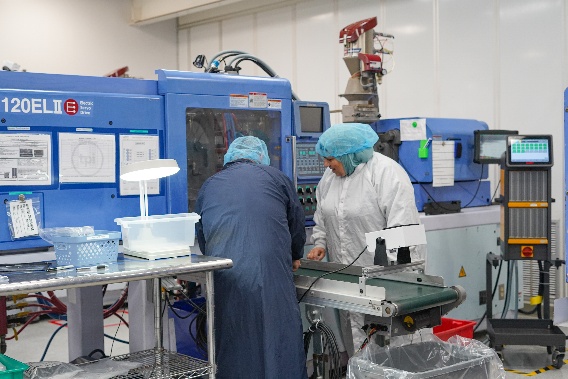
For custom injection molding services, a complete drawing package is welcome but not required for a first discussion. The items below make the engineering review and the resulting proposal more specific.
| What to send | What it determines |
|---|---|
| 2D drawing or 3D CAD model | Geometry review, DFM feedback and the initial tool layout |
| Material and performance requirements | Resin feasibility, shrinkage behavior and documentation needs |
| Estimated annual volume | Cavitation, tool construction and press assignment |
| Critical dimensions and tolerances | Inspection plan, sampling scope and measurement methods |
| Regulatory, cleanroom or documentation needs | Production environment and validation scope |
| Assembly or secondary operation needs | Whether downstream operations belong in the same quote |
Uploading files: the quote form on this page accepts CAD models and supporting documents by drag-and-drop — STEP, STP, STL, IGES/IGS, PRT, SLDPRT, SAT and X_T models, plus JPG, PNG or PDF attachments.
DFM and process engineering, mold design and tooling coordination, precision injection molding, dimensional inspection, IQ/OQ/PQ validation support, and downstream assembly when the program needs it. Scope and pricing for each element are set out in the proposal.
Medical devices, diagnostics and IVD, pharmaceutical, and life science applications are core markets for our custom injection molding services. Selected electronics and consumer product components are molded here as well — see the industries we serve.
We operate 51 presses from 6 to 610 tons, spread across two ISO Class 8 cleanrooms, two white rooms and a controlled environment room. The tonnage distribution is listed above; press fit for a specific part is confirmed during engineering review.
Yes, the plant contains two ISO Class 8 cleanroom production areas. Whether a part runs in one is decided from its application and documented requirements, so include that need in your initial message and the quote will state how it is handled.
Yes. Engineering review, sampling, tooling coordination, validation and sustained manufacturing are handled by one program team. Tooling is manufactured through TPI’s overseas Mold R&D Center, with maintenance and modification supported in Riverside.
To request a quote, use the form on this page to upload your CAD model or 2D drawing. Include your material and performance requirements, estimated annual volume, critical tolerances, and any regulatory or cleanroom needs. Our team will review the available information and follow up regarding the manufacturing scope and quotation.
Send your CAD, part specifications and project requirements and our engineering group will scope the custom injection molding services your program needs. Files do not need to be final — an opening discussion works with whatever information you have on hand.
Useful to include: 2D drawings or 3D CAD files; material and performance requirements; estimated annual volume; critical dimensions and tolerances; regulatory or cleanroom requirements; assembly and secondary operation needs.
Our robust production capabilities enable us to comprehensively meet diverse client requirements.
| Class 8 Cleanroom A | Class 8 Cleanroom B | White Room A | White Room B | Controlled Room | TPI Total | |
|---|---|---|---|---|---|---|
| Below 60 Ton | 1 | 1 | 2 | 4 | ||
| 60-90 ton | 4 | 1 | 5 | |||
| 110-120 ton | 6 | • | 6 | |||
| 150 – 180 ton | 1 | 1 | 4 | 1 | 7 | |
| 200 ton | 2 | 10 | 5 | 17 | ||
| 250 ton | 1 | 3 | 4 | |||
| 300 ton | 5 | 5 | ||||
| 390-400 ton | 1 | 1 | ||||
| 450-610 ton | 2 | 2 | ||||
| Total | 14 | 13 | 19 | 3 | 2 | 51 |

We streamline your order process—from online quotes to high-quality mold making and production-ready plastic parts. Our expert team and state-of-the-art machinery guarantee efficiency and timely delivery.

We start with understanding your product requirements, materials, and end-use applications to define the best manufacturing approach.
Our engineering team works closely with you to optimize part design for manufacturability, efficiency, and cost-effectiveness.

Rapid prototyping ensures design validation and functional testing before tool investment.

We build high-precision, long-life injection molds tailored to your product specifications and production volume.

Comprehensive validation ensures compliance with regulatory standards and guarantees consistent, high-quality parts.

Once validated, production begins in our ISO 13485 certified facility with scalable capacity and strict quality control.

Bridge the gap between concept and production. We deliver high-precision injection molded prototypes in as fast as 5 days using aluminum and steel tooling. ISO 9001 & 13485 Certified.

Precision Mold Design for Manufacturability and Efficiency
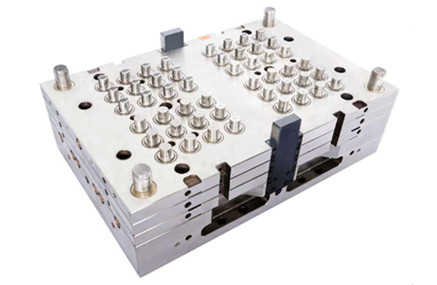
High-Precision Mold Design, Manufacturing, Lifecycle Support

Integrated Solutions Beyond Injection Molding