TPI provides plastic mold design and engineering for medical device, diagnostics and life science programs. Our engineers review the part, the resin and the production plan before a tool is released.
When evaluating an injection mold design partner, the first question is whether that team stays involved after the drawing is approved. Here the engineering review, tooling coordination and production molding belong to one program scope. Our plastic injection molding services page covers what happens once the mold runs.
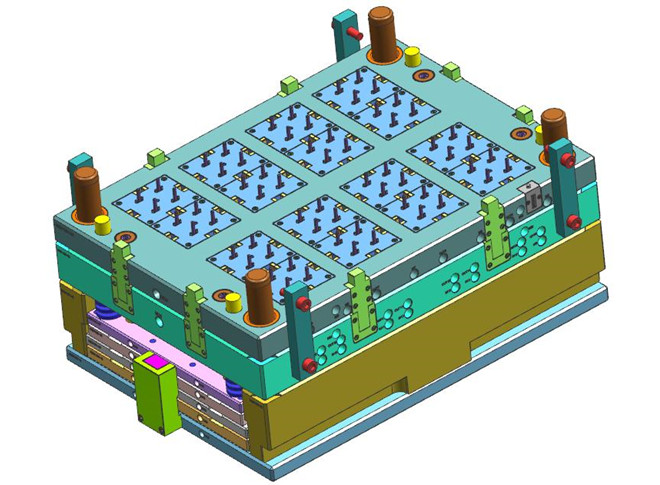
Injection mold design services turn a part model into a tool specification. Each item below is scoped at quotation, because the depth of review depends on the part, the resin and the program stage.
We examine wall sections, draft, radii, ribs, bosses and undercuts against the intended resin and process. Our review identifies potential design risks and provides engineering recommendations, with required changes and optional improvements discussed before tooling release.
Your 3D model and 2D drawing are checked for missing detail, tolerance conflicts and features that are difficult to mold. We work from the files your team supplies and focus on what the findings mean for the tool layout.
Depending on project requirements, Moldflow analysis can be used to evaluate filling, packing, weld line formation, air traps and cooling behavior before tooling is released. Where it is scoped, the results help compare gate positions and cooling layouts.
Gate type and location, runner balance and cooling circuit layout are reviewed against the part geometry and the expected cycle. Where the project calls for it, we propose gating and cooling options for the tool layout. The goal is to develop a mold design that supports a consistent and controllable production process.
Resin options are discussed against mechanical performance, sterilization exposure, chemical contact and the documentation your program requires. This engineering input supports your material decision; formal qualification and regulatory assessment stay with your team.
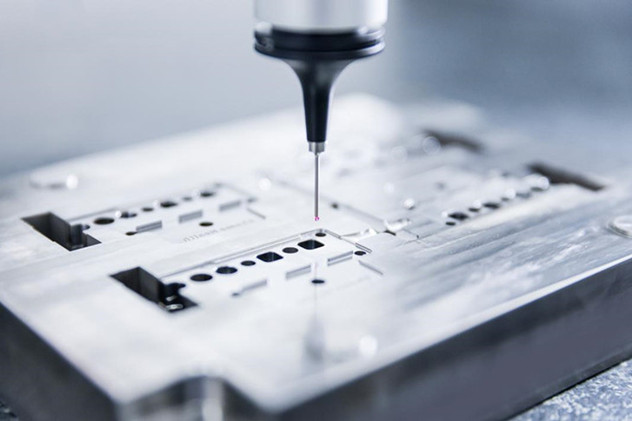
Cavitation, parting line, ejection, inserts and service access are defined with the expected production volume in mind. A tool that is straightforward to service is easier to hold in specification over a long program.
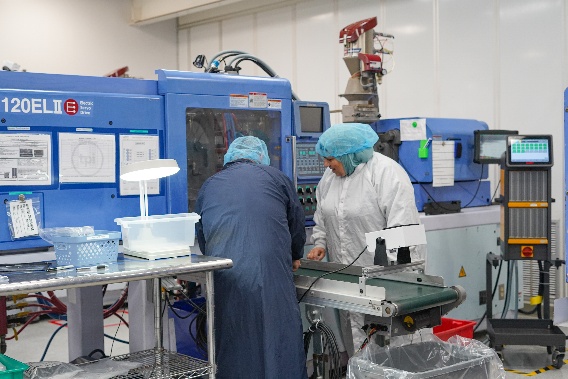
Our engineers start with the part model and drawings your team supplies, then work through the design questions those files raise. Findings are discussed with your engineers, and changes are agreed before the tool layout is fixed. That conversation also sets the scope of mold design and verification work that follows, including whether prototype molding would answer an open question.
Most requests for plastic mold design arrive with a specific problem attached. These are the issues we are asked about most often.
Thick sections cool at a different rate than adjacent thin walls, which can show up as sink or warp. We look at wall transitions, coring and rib design before the layout is fixed.
A gate placed for convenience can put a weld line across a functional or cosmetic surface. Simulation lets us compare positions while the change is still on screen.
Uneven cooling lengthens the cycle and makes dimensions harder to hold between shots. Circuit layout is reviewed alongside the part geometry, not added afterwards.
Parting line placement affects appearance, flash risk and part release. Ejector position, draft and shut-offs are agreed with your team so the cosmetic requirement is explicit.
A resin that molds well may still fail the application through chemical exposure, sterilization or stiffness. We review the use environment against the material data before a grade is written into the quote.
Wear surfaces, insert access and replaceable components are easier to plan at the design stage. A tool that is hard to service becomes a production problem later.
On scope: not every project needs every analysis listed here. The review is scoped at quotation, and the proposal states which simulations, reports and reviews apply.
Plastic injection mold design services for healthcare programs have to account for more than whether a part fills. Documentation, material traceability and the production environment all shape design decisions.
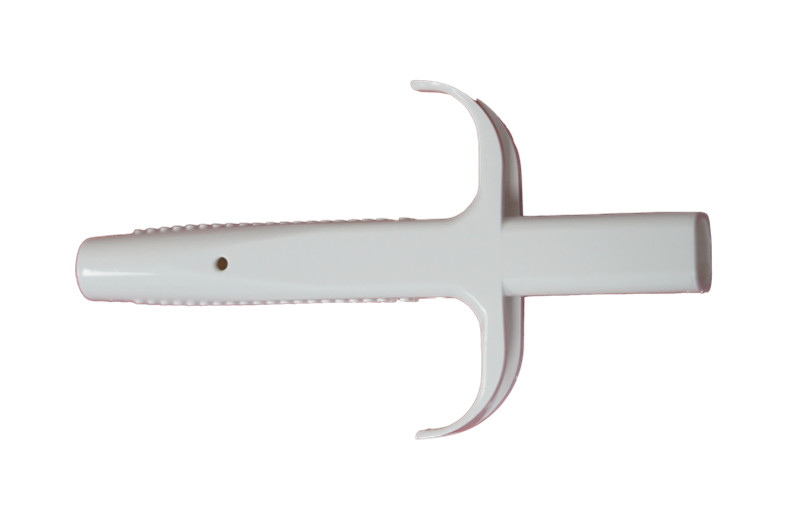
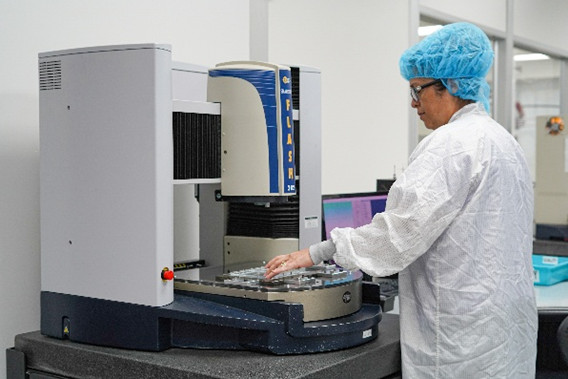
Medical device and diagnostic components often combine tight dimensional requirements with cosmetic or fluid-handling features. Those features influence gate placement, ejection and how the part is measured, which is why inspection planning starts with the design review.
Material questions arrive with the model: sterilization method, chemical contact, and whether the program needs resin documentation or lot traceability. Our work covers medical device components, diagnostic and IVD consumables, and laboratory and pharmaceutical products; the production area is selected against the part’s application.
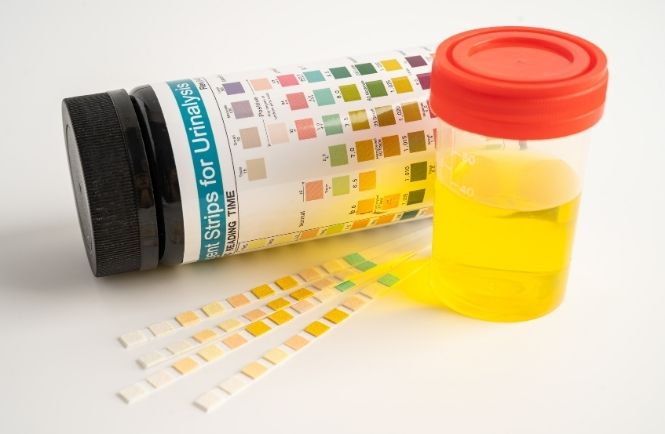
Small, feature-dense parts where flow length, gate vestige and dimensional repeatability drive the tool layout. See our diagnostics applications.
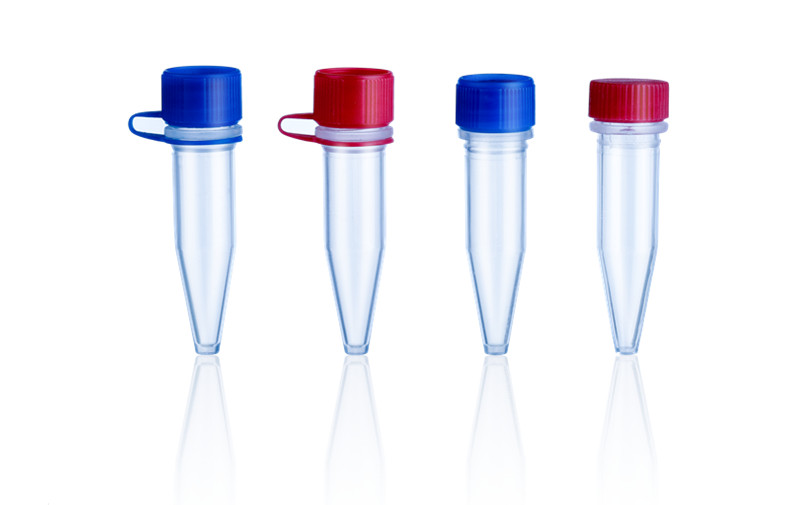
Plastic tubes, caps and container components with material documentation requirements. More detail is on our pharmaceutical applications page.
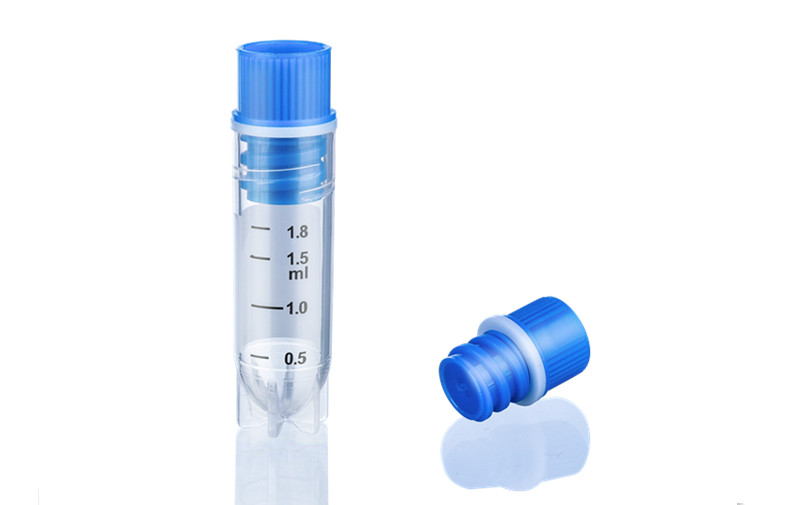
Sample tubes, closures and handling aids where clarity, wall uniformity and part release need attention. Browse the industries we serve.
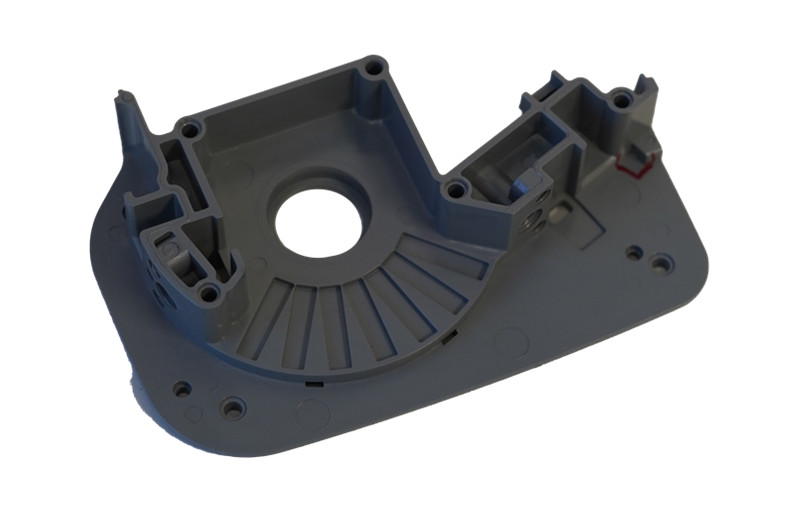
Housings, enclosures and small parts where surface finish and dimensional control matter. See our injection molding capabilities.
A design project rarely ends when the drawings are approved. The sequence below shows how the engineering work connects to tool build, sampling and production.
We start with the part model, intended use, resin, critical dimensions and expected volume. That information sets the scope of the review.
Wall stock, draft, gate position, tolerance risk and material behavior are reviewed with your engineers. Agreed changes are recorded before the tool layout is released.
The agreed layout becomes the build specification: cavitation, gating and service access are carried through as decisions. Tooling is built through TPI’s overseas mold manufacturing resources, with TPI coordinating the process.
First shots are measured against the drawing and the agreed inspection plan. Where IQ/OQ/PQ applies, the protocol and records are agreed ahead of the first sampling run.
Approved parts move into molding under the documented process and inspection controls. Our production molding services describe the equipment and environments in more detail.
Once a mold is in service, the Riverside toolroom handles maintenance, repair and modification. Engineering changes are reviewed against the original design intent.
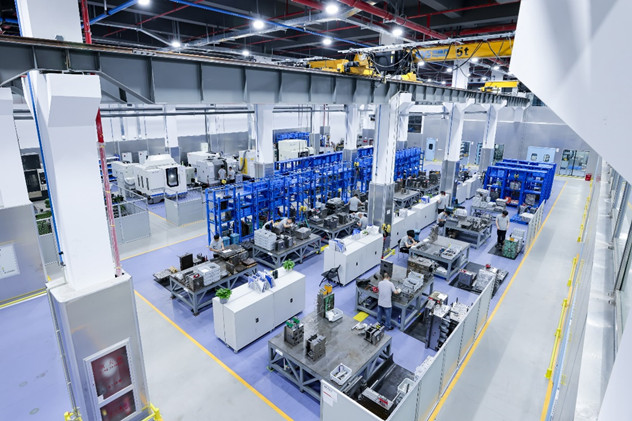
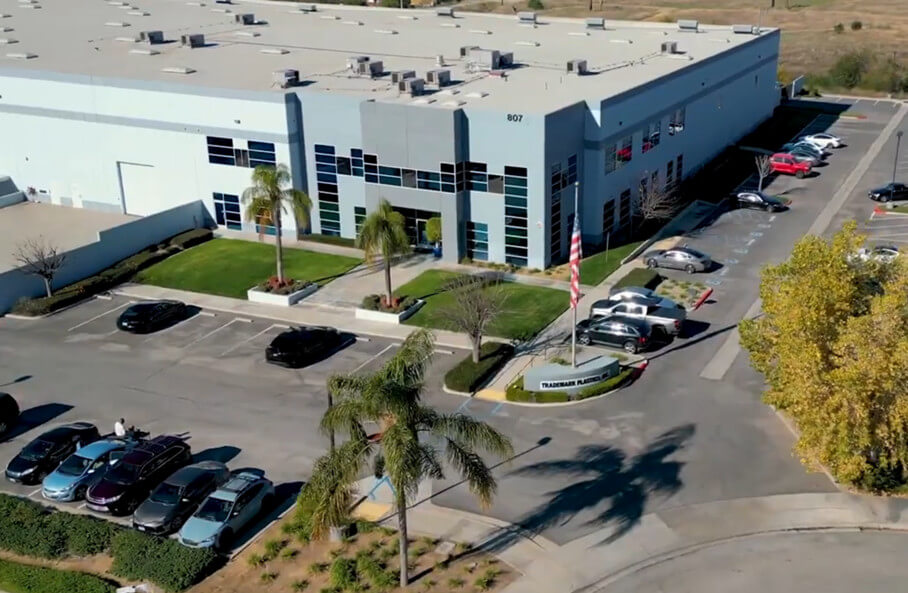
Where the work happens: design engineering is coordinated from Riverside, California. Tooling is built through TPI’s overseas mold manufacturing resources, with TPI coordinating the process; the U.S. toolroom provides maintenance, repair and modification support after launch. Raise any build-location requirement early so it can be addressed before quotation.
Injection mold design services for regulated products are only useful if the records behind them hold up. TPI’s quality system is ISO 13485 certified and also operates to ISO 9001; design reviews, inspection plans and records are kept inside that system.
Those standards describe the system, not a separate approval for each design task. Current certificates and their scope can be reviewed with your quality team during an initial assessment.
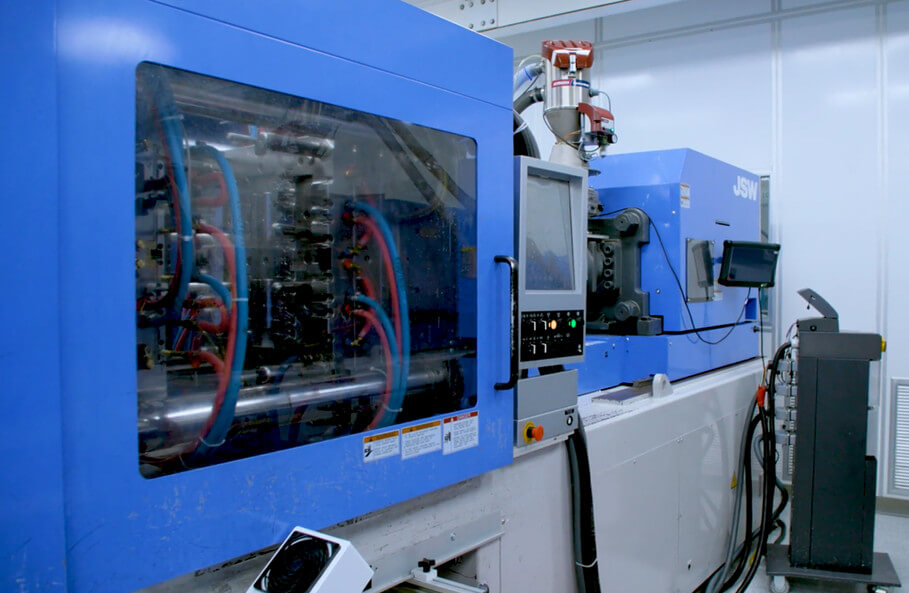
The plant has two ISO Class 8 cleanrooms alongside two white rooms and one controlled environment room. A program’s documented requirements decide which area its parts run in.
Critical dimensions and measurement methods are discussed during design review, so the sampling plan reflects the drawing rather than being assembled after first shots. Where IQ/OQ/PQ applies, the protocol and records are agreed in advance. Learn more about Trademark Plastics.
The table below lists outputs rather than review steps. These are typical deliverables, not a fixed package: which ones apply is agreed at quotation and stated in the proposal.
| Engineering output | What your team uses it for |
|---|---|
| DFM findings and design recommendations | Deciding which part changes to make before the tool layout is fixed |
| CAD model and drawing review notes | Confirming geometry, tolerances and missing detail in the supplied files |
| Simulation findings (where scoped) | Comparing gate positions, fill balance and cooling options |
| Gate, runner and cooling proposal | Agreeing how the part will fill and cool once the mold is running |
| Material screening notes | Checking resin behavior against the application and its documentation needs |
| Mold structure review | Confirming cavitation, ejection and service access before the build |
Design engineering is often quoted as a standalone drawing package. Our value is in what follows: the same group stays involved through build, sampling and production.
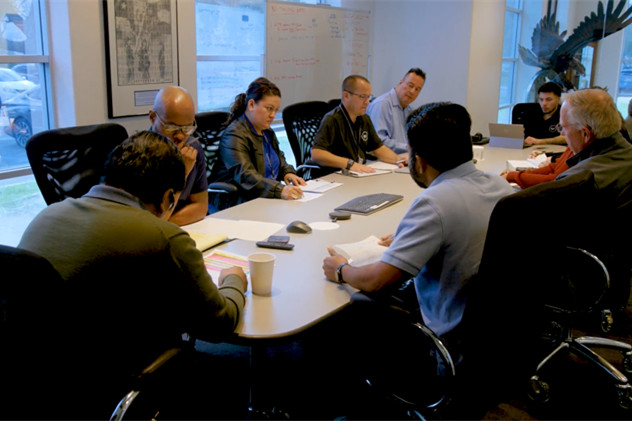
A mold design supplier that stops at the drawing leaves the tooling and production decisions to someone else. Our overview of injection molding companies in California lists the questions worth asking before a tooling decision.
An inquiry does not need a finished drawing package. More context leads to a focused review and a proposal that fits your program.
Tell us the stage your program is at, even if the CAD is still changing. An early conversation can identify the design risks worth resolving first. If a mold already exists, send what you have along with the issue you want addressed.
| What to send | What it determines |
|---|---|
| Part model and current revision | Which geometry the review is based on |
| Intended application and use environment | Material screening, cosmetic priorities and risk areas |
| Target resin, or performance requirements | Shrinkage assumptions, flow behavior and documentation needs |
| Annual volume and expected program length | Cavitation, tool construction and service access |
| Critical dimensions and inspection expectations | Measurement methods, sampling scope and the inspection plan |
| Validation, cleanroom or regulatory requirements | Protocol scope and which production area is needed |
Uploading files: our project inquiry form takes native CAD and neutral formats — STEP, IGES, STL, PRT/SLDPRT, SAT or X_T — along with PDF drawings and JPG or PNG images, and files can be dragged into the form. If your drawings are covered by a confidentiality agreement, tell us when you send them so the arrangement is in place before the review starts. Our privacy notice describes how information submitted through this website is handled.
They are the engineering activities that turn a part model into a buildable tool specification: design for manufacturability, CAD review, flow and cooling simulation, material evaluation, and the mold layout itself. Plastic mold design is separate from mold manufacturing, which machines and assembles the tool. TPI provides the design engineering and coordinates the build that follows.
Yes, with the scope set per project. An injection mold DFM review covers wall sections, draft, ribs, bosses, undercuts and tolerance risk; Moldflow can be used to compare fill, packing, weld lines, air traps and cooling options. Which analyses apply depends on the part and the stage of the program, and the proposal states the scope.
Yes. Send the current model, the drawing if you have one, and the problem you want addressed. We can review a part before tooling, assess an existing tool layout, or look at a design producing inconsistent parts.
TPI coordinates the tool build through its overseas mold manufacturing resources. Once the mold is running, the Riverside toolroom handles upkeep, repair and modification in house. Raise any build-location requirement before we quote, so it can be addressed openly.
Yes. Engineering review, tooling coordination, sampling, validation support and production molding sit within one program scope. Prototype molding is available when a design question is better answered with parts, and tooling services cover mold build and lifecycle support.
Send a 3D model in STEP, IGES, STL, PRT/SLDPRT, SAT or X_T, together with the target resin, expected annual volume, critical dimensions and how the part will be used. A 2D drawing is useful, though we can begin without one. Mention any validation or cleanroom needs so the proposal can account for them.
ISO 13485 and ISO 9001 describe the quality management system TPI operates under, not a separate certification for each design task. Design reviews, inspection planning and records are handled within that system. We can review the current certificates and their scope with your quality team during an initial assessment.
Send the part model, the material and performance requirements, and whatever context you have on hand. Our engineering group will review it and scope the injection mold design services your program needs.
Not ready to send files? An initial conversation works with a description of the part and your program stage. We will tell you which information makes a proposal more specific.
Our robust production capabilities enable us to comprehensively meet diverse client requirements.
| Class 8 Cleanroom A | Class 8 Cleanroom B | White Room A | White Room B | Controlled Room | TPI Total | |
|---|---|---|---|---|---|---|
| Below 60 Ton | 1 | 1 | 2 | 4 | ||
| 60-90 ton | 4 | 1 | 5 | |||
| 110-120 ton | 6 | • | 6 | |||
| 150 – 180 ton | 1 | 1 | 4 | 1 | 7 | |
| 200 ton | 2 | 10 | 5 | 17 | ||
| 250 ton | 1 | 3 | 4 | |||
| 300 ton | 5 | 5 | ||||
| 390-400 ton | 1 | 1 | ||||
| 450-610 ton | 2 | 2 | ||||
| Total | 14 | 13 | 19 | 3 | 2 | 51 |

We streamline your order process—from online quotes to high-quality mold making and production-ready plastic parts. Our expert team and state-of-the-art machinery guarantee efficiency and timely delivery.
We start with understanding your product requirements, materials, and end-use applications to define the best manufacturing approach.
Our engineering team works closely with you to optimize part design for manufacturability, efficiency, and cost-effectiveness.
Rapid prototyping ensures design validation and functional testing before tool investment.

We build high-precision, long-life injection molds tailored to your product specifications and production volume.

Comprehensive validation ensures compliance with regulatory standards and guarantees consistent, high-quality parts.
Once validated, production begins in our ISO 13485 certified facility with scalable capacity and strict quality control.

A Vertically Integrated Contract Manufacturer Providing Engineering Solutions to the Healthcare Industry

Bridge the gap between concept and production. We deliver high-precision injection molded prototypes in as fast as 5 days using aluminum and steel tooling. ISO 9001 & 13485 Certified.
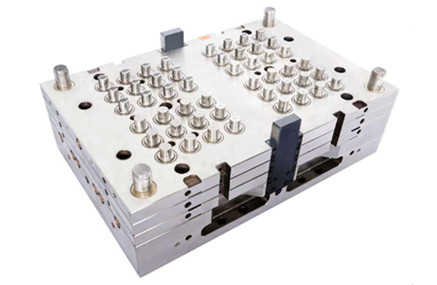
High-Precision Mold Design, Manufacturing, Lifecycle Support

Integrated Solutions Beyond Injection Molding